Table Of Content
- Erin Wasson's Art-Filled Malibu Home Tells Her Story As a Collector and Collaborator
- Case Study: The design and construction of The Guggenheim Museum, Bilbao
- FAQ’s about the architecture design process
- New Hotels To Build A Trip Around In 2024 From Hawaii To Paris
- Vitra "willing to take risks" over changing products' appearance to improve sustainability, says CEO Nora Fehlbaum
This could inspire a concept that leverages or alters the existing axis to create an engaging and thought-provoking design. With expertise across the board, the Hilton Design team works collaboratively to develop solutions that reflect the unique character of each property. Our approach has yielded tremendous success across a wide range of projects including New Build, Adaptive Reuse, and significant Renovations and Brand Conversion endeavors. You’re likely familiar with images of architects hunched over slanted drafting tables, using drawing skills to produce construction drawings with pencils. For a long time, that’s how architects worked—but today most create blueprints and specification documents (known as specs) by computer, using systems like Computer Aided Design or Building Information Modeling.
Erin Wasson's Art-Filled Malibu Home Tells Her Story As a Collector and Collaborator
Top 130 Sports Facility Architecture Firms for 2023 - Building Design + Construction
Top 130 Sports Facility Architecture Firms for 2023.
Posted: Tue, 17 Oct 2023 07:00:00 GMT [source]
Biodegradable hemp-wool insulation provides thermal performance, further emphasizing the KUbe’s commitment to sustainability. Safety and accessibility in architecture are the design principles and considerations aimed at ensuring that buildings and spaces are safe, inclusive, and accessible to all individuals, including those with disabilities or special needs. It involves implementing measures and design elements that promote physical safety, ease of movement, and equitable access for everyone. This section pertains to the building’s typology, which is the kind of building we are designing. Whether it’s a hospital, a museum, or a residential structure, this is where we gather information to gain a comprehensive understanding of the project. We look at precedent studies and carefully analyze what issues we aim to address for the client and the future users of the building.
Case Study: The design and construction of The Guggenheim Museum, Bilbao
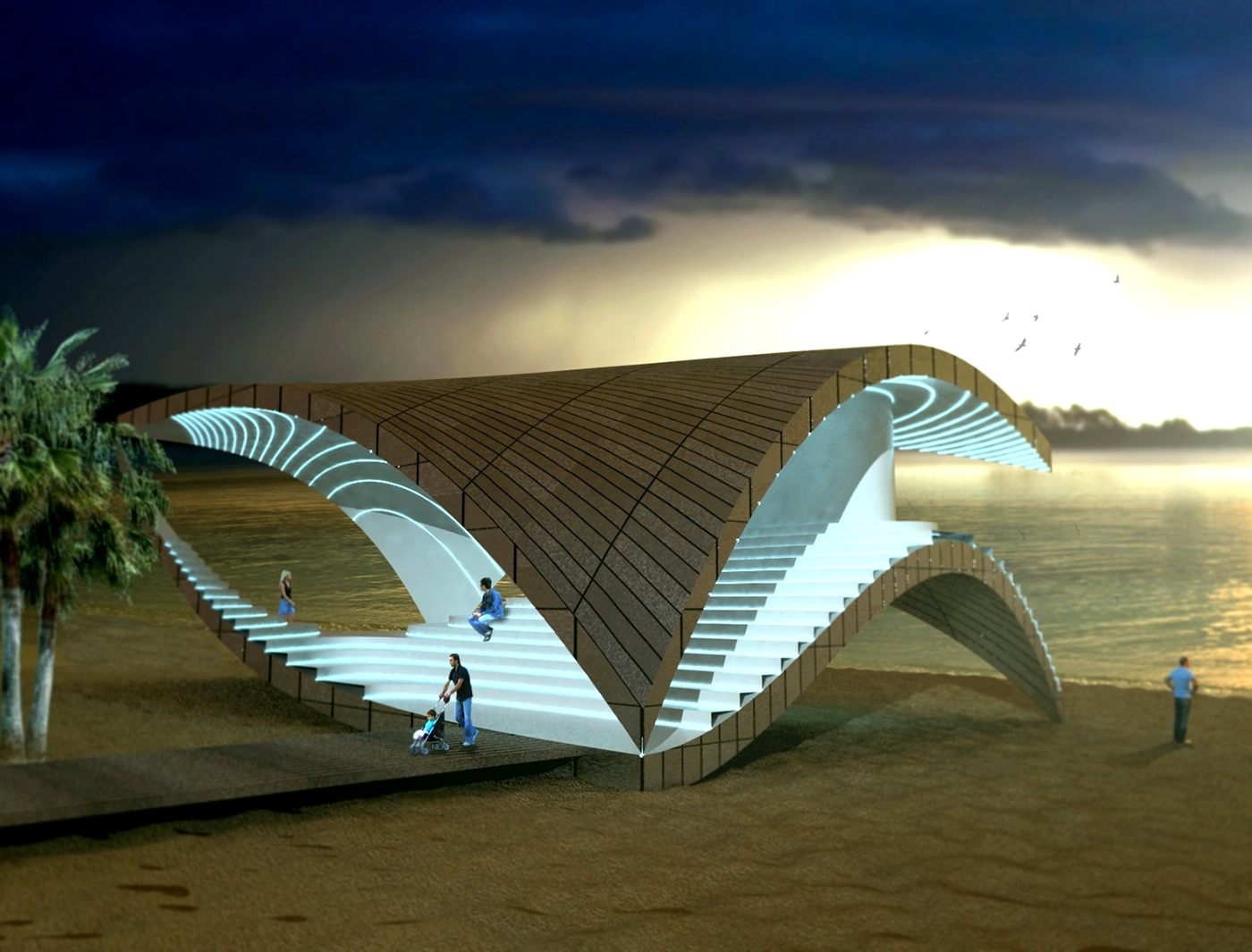
Visitors to the Neon Museum may feel like they’ve stepped into an episode of “The Jetsons” when they arrive at the visitors’ center. The distinctive shell-shaped building, formerly the lobby of the historic La Concha Motel, was designed by acclaimed architect Paul Revere Williams. Originally constructed in 1961 on Las Vegas Boulevard South, the La Concha Motel lobby is an example of mid-century modern design characterized by curvilinear space age shapes. Saved from demolition in 2005, the lobby was moved in 2006 to its current location as the Neon Museum’s Visitors’ Center.
FAQ’s about the architecture design process
These principles guide architects in creating spaces that are not only visually appealing but also functional, sustainable, and responsive to human needs. Understanding and applying both the rules of architecture and the principles of architectural design is crucial for architects to create not only technically proficient but also aesthetically pleasing and meaningful buildings. Balancing the technical requirements with creative expression and human-centric design, architects can create spaces that inspire, engage, and improve the quality of life for those who interact with them.
ARCHITECTURE IN THE US (
The average salary for an architect in the United States is $80,000 (€72,800, £69,600) annually. The lowest 10% of architects earn below $62,220 (€58,000, £46,000) annually, while the top 10% earn above $105,190 (€98,000, £78,000). That’s 98,000+ members who share a passion for design, a desire to change the world, and a commitment to the highest standards of practice. Additionally, finalizing your project includes developing additional drawings that communicate your project. Ultimately, the architect and client will meet until they both agree on a design direction for the next phase. As a result of this there are a core set of drawings and documents that (most) projects require in order for them to be procured successfully, and be completed efficiently and without error.
Casa Descadrell / SYMBIOSE Architecture & Design - ArchDaily
Casa Descadrell / SYMBIOSE Architecture & Design.
Posted: Fri, 17 Nov 2023 08:00:00 GMT [source]
New Hotels To Build A Trip Around In 2024 From Hawaii To Paris
Symmetrical balance is achieved when elements are arranged equally on either side of an imaginary central axis. The rules and principles of symmetrical balance involve mirroring elements on both sides of the axis, such as shapes, sizes, colors, and textures, which can be seen in architectural features like columns, windows, and doorways. While architecture students usually don’t develop projects that actually get built, they must follow a similar design process. From architects to contractors and engineers, many teams of professionals work on the development of a building – the architectural design process helps these different parties to work together and smoothly.
Vitra "willing to take risks" over changing products' appearance to improve sustainability, says CEO Nora Fehlbaum

The Romanesque architecture flourished, known for its massive quality, thick walls, round arches, and large towers. The Gothic style later emerged, exhibiting an emphasis on verticality, pointed arches, ribbed vaults, and flying buttresses. From the colossal skyscrapers that punctuate the skyline of major metropolises to the humble abode nestled in the countryside, every structure is an embodiment of architectural design.
Tadao Ando’s Unexpected Take on a Bulgari Icon Honors Nature’s Timeline
A well-designed building can enhance a community, boost economic growth, and reflect a society’s values and culture. By creating a comprehensive digital representation of a building, architects, engineers, and contractors can work more collaboratively, resulting in improved efficiency and cost-effectiveness. BIM also facilitates better decision-making by providing detailed information about a building’s performance, maintenance, and lifecycle costs.
It focuses on cultural needs and aesthetics.In one way or another, it’s part of the evolution we as humans have developed over time to reflect the different eras we’ve lived. Moreover, advancements in technology have expanded the toolkit available to architects, enabling more precise design, efficient construction, and novel forms. These technologies not only streamline the process but also open the doors for innovative possibilities, pushing the boundaries of what can be achieved in architectural design. The field of architecture design is as complex as it is compelling, entwining artistic expression, engineering, and social responsibility.

Although designing splashy structures can be a part of the job, the day-to-day duties of an architect go way beyond aesthetics. Architects are involved at every phase of a project, including planning, drafting specification documents, problem-solving with the contractor, and ensuring that the finished product meets the required safety standards. They’ll need patience and the ability to multitask as they juggle the client’s wishes, budget, local building codes, and construction slowdowns. But the reward is helping to create the structures and spaces where people live, work, learn, and relax. Harmony in architecture involves the consideration of the sensory experience and emotional response within a space. Architects create harmonious environments by carefully selecting materials and finishes that evoke a sense of harmony and comfort, taking into account factors such as acoustics, lighting, and thermal comfort.
Architects aim to create designs that have a long lifespan, allowing for adaptability and future modifications as needs change over time. They consider the potential for future expansion or renovations, incorporating design strategies that facilitate flexibility and ease of modification. Architects also consider the potential for sustainable practices, such as using recycled or locally sourced materials, to reduce the environmental impact and enhance the overall durability of the project. The selection of high-quality, long-lasting materials that can withstand the anticipated environmental conditions and usage requirements.
With the application of balance, landscape designers can create landscapes that feel harmonious and cohesive. It ensures that no single element dominates the design and that there is a sense of equilibrium between different areas and elements within the landscape. Proportion and scale in architecture are influenced by the intended function and purpose of the space. Architects consider the human experience and movement within the space, ensuring that elements are proportionate and scaled to accommodate the activities and needs of the occupants. They also pay attention to the relationship between interior and exterior spaces, ensuring a seamless transition and a sense of continuity. Functionality in architecture refers to the practical and efficient design of a building or space to meet its users’ intended purpose and needs.
At the far end of the room, Levine installed a lush purple sofa with cocktail tables, creating the perfect spot for drinks, dessert, or relaxing with a cup of coffee. The designers worked with a color palette of Dunn-Edwards paints, and several chose to highlight the brand’s 2024 Color of the Year, a steely blue called Skipping Stones. Nods to Pasadena’s famous peacocks can be found throughout the designs, and many creators fearlessly brought in statement floors, enveloped their spaces with jewel tones, and added texture to ceilings.
Architects employ scaling, repetition, or modulation techniques to establish a sense of hierarchy and rhythm within the design. Emphasis can be established through the use of contrasting colors, materials, or textures to draw attention and create visual impact. Light and shadow can also be employed to enhance emphasis, where strategic lighting or shading techniques are used to highlight the focal point and create a sense of drama and depth. Sustainable or green architecture prioritizes environmental conservation and sustainability. It applies architectural design principles with careful consideration of the environment, focusing on energy efficiency, the use of sustainable materials, and minimal environmental impact.
The integration of these rules and principles is fundamental in achieving architectural excellence and creating built environments that leave a lasting impact. Contextualism in architecture is the approach of designing buildings that respond and relate harmoniously to their surrounding context, including the site’s physical, cultural, and historical aspects. The rules and principles of contextualism in architecture include studying the site’s natural features, such as topography, climate, and vegetation, to inform the design process. Architects aim to integrate the building seamlessly into the landscape, respecting its natural elements and minimizing any negative environmental impacts. Unity in the rule of architecture involves carefully arranging and organizing components to create a unified and visually pleasing whole.
Therefore, it is important to consider the client’s wishes as well as and be convincing when presenting ideas. The pre-design (pd) phase, or the programming phase, is dedicated to understanding the project brief and clients needs, researching information that’s relevant to the project, and considering ideas. Assess whether the site is vulnerable to extreme weather elements and if it requires protective measures. Address the challenge of accommodating both weather protection and optimal views, seeking a cohesive concept that addresses these varied design goals. It revived the former Gothic style and added two other approaches, Romanesque and Tudor elements. The architectural design contains a diverse range of disciplines that focuses on more than just construction.


No comments:
Post a Comment